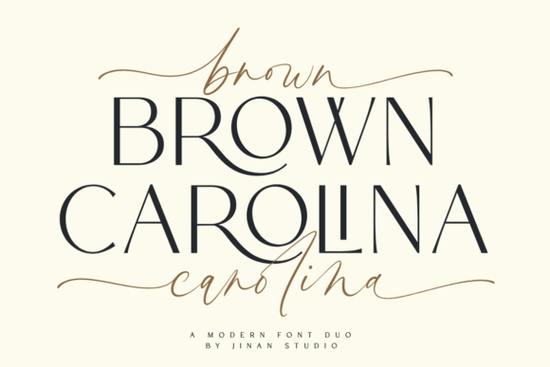
If you work with typography often, you already know the value of a well-matched font duo. A solid pair saves time, keeps your layout cohesive, and gives you room to play with contrast. The Brown Carolina Duo Font is exactly that kind of set: one clean sans-serif half and one expressive script half, designed to work together without fighting for attention.
Before I dive into the details, here's a quick look at some other thoughtfully crafted script fonts worth exploring: Willow Font brings a delicate hand-drawn feel, Hello Font offers playful strokes for casual branding, and Beach Waves Duo Font pairs a relaxed script with a clean sans for summer-inspired projects. California Font leans into a vintage surf aesthetic, while Palm Bay Social Font gives you a friendly script perfect for social media graphics. Each has its own personality, but today we're focusing on what makes this Carolina duo stand out.
What makes a font duo useful for branding projects?
Branding is more than a logo. It's the tone of voice, the color palette, and the typography that carries your message across business cards, social posts, and packaging. A font duo like Brown Carolina Duo Font gives you two distinct voices in one download: a reliable sans-serif for body text and headings that need to stay legible, and a flowing script for accents, quotes, and signature-style touches.
When you're designing for a small business or a new brand, consistency matters. Using a single typeface family with a built-in contrast saves you the guesswork of pairing fonts from different designers. You get a cohesive look without spending hours testing combinations.
For print-on-demand sellers, this kind of versatility is especially handy. You can use the script variant for the main design phrase on a t-shirt or mug and the sans-serif for supporting details like sizing or care instructions. The result looks intentional rather than cobbled together.
Can you use this font for wedding invitations and print-on-demand?
Absolutely. Wedding stationery is one of the most common use cases for script fonts, and the Brown Carolina duo fits right in. The script half includes a generous set of alternate characters and ligatures, which means you can customize the flow of names, dates, and key phrases without needing extra software or manual tweaks.
If you're designing invitation suites, you can assign the script to the couple's names and the sans-serif to logistical details like venue address and RSVP instructions. That contrast makes the important information easy to scan while keeping the overall look elegant.
For print-on-demand products like notebooks, wall art, or throw pillows, the duo format works well because buyers often expect a polished, semi-custom appearance. The script adds personality; the sans keeps it readable. Together, they cover a broad range of product categories without making you switch between multiple font families.
How do the script alternates and ligatures help customize text?
Alternates and ligatures are essentially extra letter shapes baked into the font file. Instead of typing the same "a" or "g" every time, you can choose a version with a longer tail, a swash, or a different curve. This matters when you're working on a short phrase that needs to look handcrafted rather than typed.
For example, if you're designing a quote for a magazine template or a brand tagline, swapping in an alternate character can change the rhythm of the entire line. Ligatures combine two letters into one graceful shape, which is especially useful for script fonts where certain letter pairs tend to clash.
The Brown Carolina duo makes these extras accessible directly through most design software's OpenType panel. You don't need to be a typography expert to use them. Just open the panel, select a character, and browse the available alternates until something clicks.
What kind of projects suit a contemporary sans-serif and script pair?
The short answer: a lot of them. Here's a quick breakdown of projects where this duo tends to shine:
- Business cards – Script for the name, sans for contact info and tagline.
- Magazine or editorial layouts – Sans for headings and body copy, script for pull quotes or section openers.
- Logo design for lifestyle brands – The script adds personality while the sans handles secondary text.
- Social media graphics – Use the script for the headline and the sans for captions or hashtags.
- Packaging for handmade goods – The duo gives a professional but approachable feel.
None of these require advanced design skills. If you're comfortable with basic layout tools and know how to access font features, you can get professional-looking results in a short amount of time.
How does the sans-serif complement the script without clashing?
The key is contrast. The sans-serif half of the duo uses clean, geometric shapes with consistent stroke widths. The script half introduces variation in thickness and a more organic rhythm. When placed together, they create a visual hierarchy without competing.
You'll notice this most clearly when you set a heading entirely in script and then drop a subheading directly below in the sans. The eye moves from the expressive, decorative style down to the stable, readable one. That natural flow is what makes duos like this so practical for real-world projects.
Practical tips for getting the most out of a font duo
If you're new to working with paired typefaces, here's a simple way to start:
- Assign roles early. Decide which text gets the script and which gets the sans. Stick to that structure throughout the project.
- Use alternates sparingly. Too many special characters in one line can look busy. Pick one or two spots where an alternate adds emphasis.
- Mind the spacing. Script fonts often need tighter tracking, while sans-serif benefits from a little breathing room. Adjust letter spacing manually if the default doesn't look right.
- Test at small sizes. A script that looks gorgeous at 72 pt might lose legibility at 12 pt. Check your text at the size it will actually appear.
These are small adjustments, but they make a visible difference in the final output. Whether you're designing for a client or for your own shop, that extra attention to detail pays off.
Where to go from here
If the idea of a ready-to-use sans-serif and script pair sounds helpful for your next project, grab the Brown Carolina Duo Font and open it in your favorite design software. Start with a simple layout: a name and a tagline, a quote and a credit line, or a product title and a description. See how the two styles work together, and don't forget to explore the alternate characters available in the script version.
Most of all, enjoy the process. A good font duo removes a lot of the guesswork from pairing type, so you can focus on the creative decisions that actually matter.
Download Now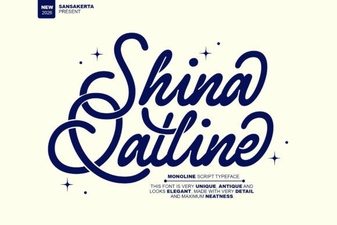 Shina Qatline Font: Creative Uses & Design Ideas
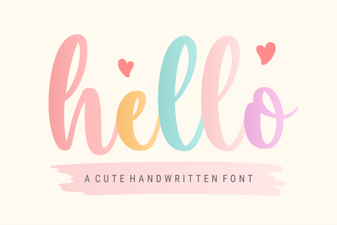 Hello Font: Beautiful Typography for Creative Projects
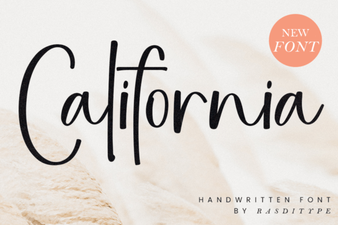 California Font Inspiration for Design Projects
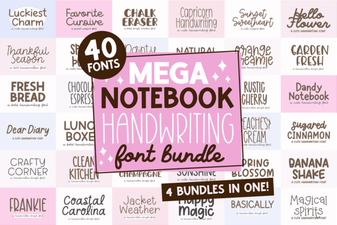 Handwriting Font Bundle for Notebooks & Digital Projects
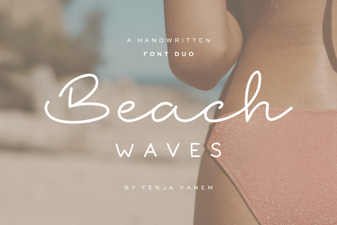 Beach Waves Font Duo: Creative Pairings for Modern Design
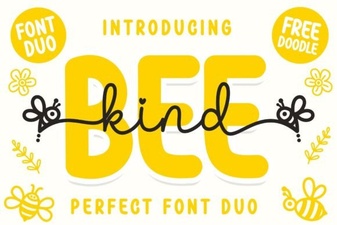 Bee Kind Font Duo: Design & Creative Projects